Some bands are formed with a plan. Others are held together by persistence. Disquietude Vengeance belongs to the second story. What began as a search for musicians slowly became one of India's emerging deathcore acts, shaped by years of rehearsals, changing lineups, original songwriting, and an unwavering commitment to heavy music.
This is not a timeline of achievements or a traditional band biography. It is the story of how Disquietude Vengeance found its identity, from the earliest days of Project X to becoming an Indian deathcore band that has shared stages across India and Nepal. Every rehearsal, every setback, and every milestone became part of that journey.
"We never wanted to become a cover band. From the very beginning, we wanted to create something that was ours."
The story is still unfolding. New music continues to take shape, new chapters are waiting to be written, and the ambitions of the band stretch far beyond where everything began. Before looking ahead, it is worth going back to the beginning.
Before There Was Disquietude Vengeance
Every band has an origin story, but very few begin exactly as planned. Disquietude Vengeance was no different. Long before the name existed, before the debut album, before tours across India and Nepal, there was only an idea shared between musicians who wanted to create something original. The goal was never to become another local cover band. From the beginning, the focus was on writing music that reflected their own identity.
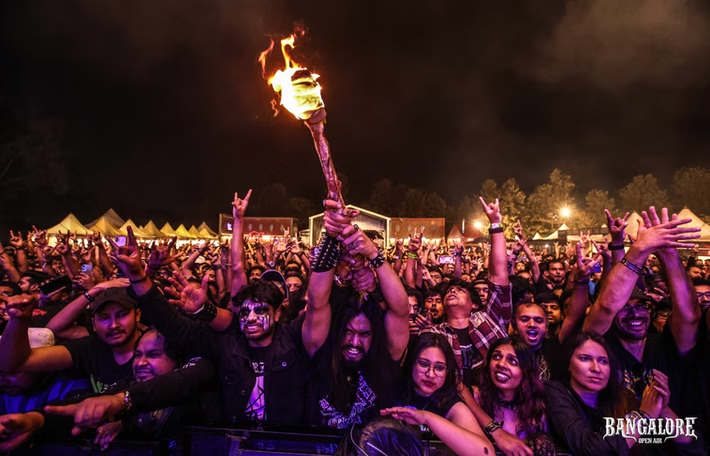
Around the same time, Kolkata's underground metal scene was slowly finding its rhythm again. Before the pandemic, the city had built a strong reputation for extreme music through organisers such as Kolkata Metalheads and DXM India. Legendary events like The Pit had helped shape the local scene for years, bringing together musicians and fans who believed heavy music deserved its own place in the city.
When live music eventually returned, the community quickly came back to life. Shows were happening again, musicians reunited with old friends, and audiences slowly filled venues once more. Disquietude Vengeance was not formed because of that revival, but it entered a scene that was ready to welcome new original bands.
"The intention was simple. We wanted to create our own music, not spend years playing somebody else's."
At that point, nobody was thinking about albums, international performances, or building a long-term career. There was no roadmap. There was only a shared passion for heavy music and a willingness to invest time into creating something meaningful. That simple idea would eventually grow into Disquietude Vengeance, but first it had to survive its earliest days under a very different name.
Project X
Before Disquietude Vengeance had a name, it existed as a small project called Project X. The project was started by guitarist Subhajit Dutta with a straightforward objective of building an original metal band in Kolkata. Like many new bands, the first lineup was assembled through local musicians, but one important piece was still missing, a vocalist who could match the direction the project was trying to reach.
Subhajit posted in a Facebook group for musicians, looking for a vocalist. The post was simple, but it led to a connection that would change the future of the band. A mutual friend named Sanjay recommended Ayon Banerjee, who had already been active in several original bands and had released music before. After exchanging messages and listening to Ayon's previous work, the two decided to meet for a rehearsal.
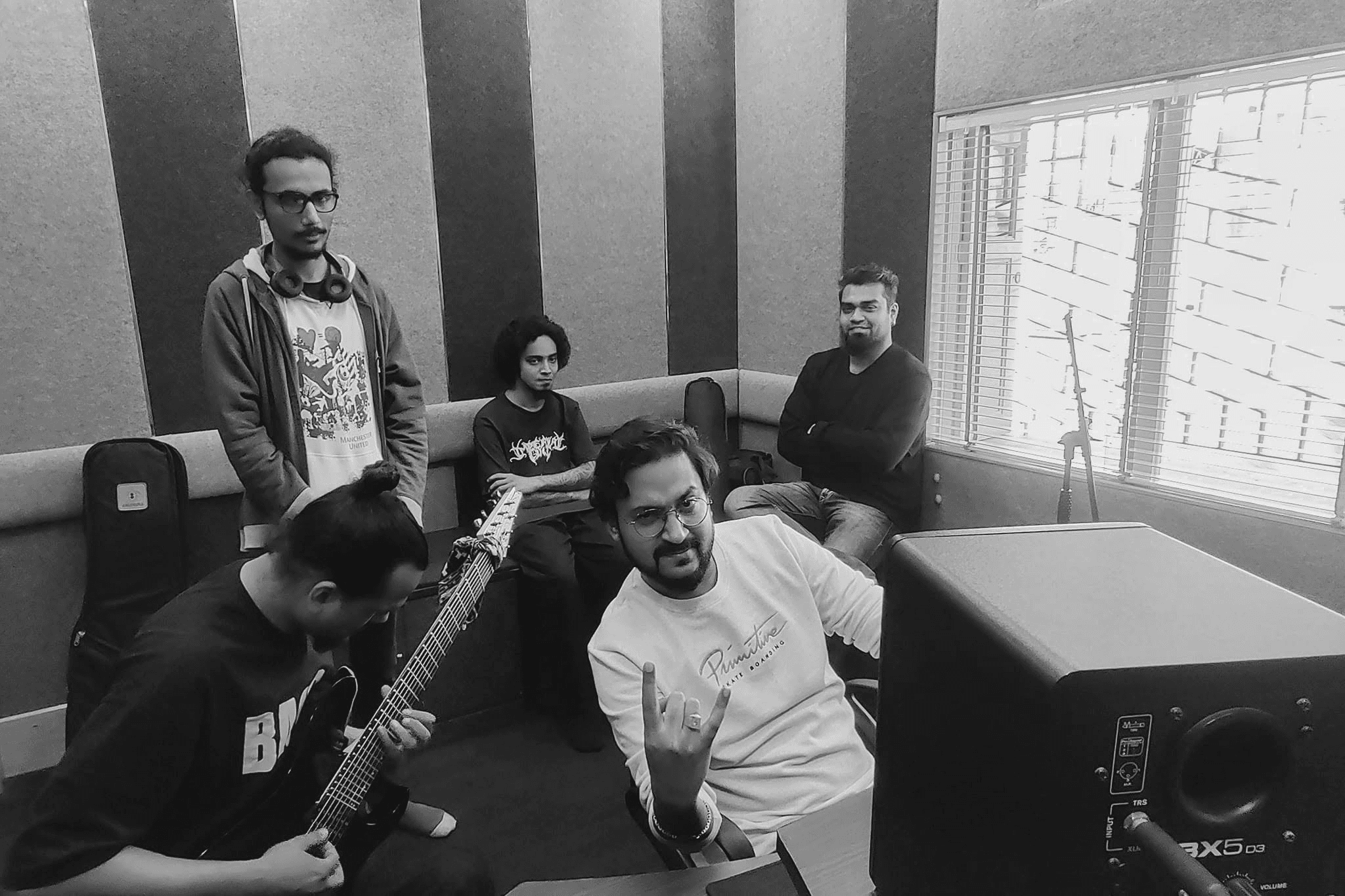
That first rehearsal took place at Kaleidoscope Jam Pad in South Kolkata, a place that would later become almost a second home for the band. Even today, years later, Disquietude Vengeance continues to rehearse in the same room where everything first began.
"The vocals immediately felt right. The music didn't."
While the chemistry between Subhajit and Ayon was obvious from the beginning, the music itself was not. Project X sounded closer to hard rock than the extreme metal both musicians wanted to create. The guitars leaned towards classic heavy rock, the arrangements lacked the aggression they were searching for, and it quickly became clear that the project needed a completely different direction.
Rather than compromise, difficult decisions were made early. The original lineup slowly dissolved, and the search for musicians began again. It was not a dramatic breakup, but a necessary step towards building a band that shared the same vision. The goal had become much clearer. This was no longer about simply playing music together. It was about creating something heavier, darker and entirely original.
The band also made another decision that would define its future. Rehearsals would never revolve around cover songs. Every practice session was dedicated to writing original material, experimenting with new ideas and slowly shaping a sound that belonged only to them.
The Birth of Disquietude Vengeance
Rebuilding the lineup turned out to be much harder than writing music. Finding musicians with technical ability was one challenge, but finding people who shared the same level of commitment proved even more difficult. The search for a drummer became the band's biggest obstacle during its earliest months.
Several musicians came and went. Some rehearsed only a handful of times before disappearing. Others promised to join but never arrived. One drummer, Srinjoy Barman, showed genuine enthusiasm in the beginning, but like many young bands, early excitement slowly faded. Rehearsals became less frequent until they eventually stopped altogether.
There were evenings when the band travelled across the city, paid for the rehearsal room, waited for members who never arrived, drank a cup of coffee together and went back home without playing a single note. It was frustrating, but it never convinced them to give up.
"Some rehearsals ended before they even started. We still came back the following week."
Everything changed when the owner of Kaleidoscope Jam Pad suggested another drummer. His name was Tommy. The band contacted him and arranged a rehearsal. Ironically, Tommy missed the second rehearsal because of a medical emergency. After everything they had already experienced, it was easy to assume history was repeating itself.
It wasn't.
Tommy returned, proved his commitment and quickly became one of the most dependable members of the band. His arrival finally gave the project the stability it had been searching for. The rehearsals became more consistent, the songwriting became more focused and the foundation of the band slowly started taking shape.
The Name
The name Disquietude Vengeance was proposed by vocalist Ayon Banerjee while the lineup was still taking shape. It reflects the band's lyrical direction and explores themes of anxiety, emotional conflict, inner darkness and the desire for revenge that can grow inside the human mind. Rather than representing violence itself, the name represents a psychological state that many of the band's stories are built around.
Everyone immediately agreed with the name. It was unusual, memorable and captured the atmosphere the band wanted to create. Although the lineup would continue to evolve over the coming years, the identity had finally been established. Project X was gone. Disquietude Vengeance had officially begun.
Finding Our Sound
Disquietude Vengeance did not begin with the intention of becoming a deathcore band. During the early writing sessions, the members were simply focused on creating the heaviest music they could. Every musician brought different influences into the rehearsal room, and those influences naturally blended together without worrying about fitting into a single label.
As more songs took shape, a clearer identity began to emerge. The aggressive breakdowns, blast beats, dissonant guitar work and extreme vocal styles all pointed in the same direction. By 2023, the band realised that deathcore best described what they had been creating all along.
What Shapes the DV Sound?
- Death metal inspired riffing
- Black metal atmosphere and tremolo melodies
- Hardcore influenced breakdowns
- Slam inspired heaviness
- Modern deathcore structures
- Occasional dissonant guitar passages
Rather than limiting themselves to one specific style, the band embraced deathcore because it allowed room for experimentation. Some songs naturally leaned towards brutal deathcore, while others explored darker blackened influences. Instead of chasing genre labels, the focus remained on writing songs that felt honest to the band's own creative vision.
"Deathcore gives us the freedom to experiment. Every song can become something different while still sounding like Disquietude Vengeance."
That philosophy also influenced the band's earliest compositions. One of the first original songs written during those years was Notion Vomit. Looking back today, the members openly describe it as an immature composition, but it played an important role in helping them understand how they wanted to write together.
The song was eventually recorded with a temporary lineup that included guitarist Aishik, who joined during that period through Tommy. Unfortunately, the recording never met the standard the band was hoping for. The studio had little experience producing extreme metal, the songwriting still needed refinement, and the final result simply did not represent what the band wanted to release.
Instead of forcing the song onto streaming platforms, Disquietude Vengeance chose to leave it unreleased. Some ideas from Notion Vomit still live on today, and a few sections are expected to reappear in future music, reimagined with years of additional experience behind them.
The band's first official release became Darkness Your Majesty. It marked an important milestone, but it also became another lesson. Listeners praised the music while pointing out weaknesses in the production. Rather than ignoring the criticism, the band accepted it, searched for a new mixing engineer and continued learning.
Their second release, Tug of War, showed noticeable improvement. Alongside the single, the band also released its first performance video. Every release became another step forward, not because everything was perfect, but because the band refused to stop improving.
Consistency Over Comfort
Like countless independent bands, Disquietude Vengeance started without financial backing. Every rehearsal, every recording session and every step forward was paid for by the members themselves. While everyone contributed whenever possible, guitarist Subhajit Dutta carried much of the financial responsibility during the band's early years, making sure rehearsals and future plans could continue without interruption.
Equipment was equally modest. The band worked with whatever they could afford at the time, gradually upgrading instruments and processors as the years went by. Instead of waiting until they owned professional gear, they focused on becoming better musicians with what they already had.
Rehearsals became the heart of Disquietude Vengeance. Whether there was a show coming up or not, the band met every week to write, refine and improve. For the core members, missing rehearsals was never part of the plan. Music was not something they visited occasionally. It became part of their weekly routine.
"We never rehearsed only because a gig was approaching. We rehearsed because that's what the band was built on."
Those rehearsals often came after long working days. Members travelled directly from their offices to the jam room, while others crossed the city using public transport just to spend four or five hours working on new music before heading home late at night. The commitment was never measured in kilometres or hours. It was measured by how often everyone kept returning.
A Band Built Week by Week
Kaleidoscope Jam Pad in South Kolkata has remained the band's rehearsal home since the earliest days of Project X. Years later, it is still where new ideas are written, old songs are refined and future releases begin to take shape.
The band's first major appearance came at a band competition hosted by Jadavpur University. Although they did not win, the performance left a lasting impression on many people in the audience. It was the first time the members realised that their music was connecting with listeners outside the rehearsal room, especially through the intensity of the live vocals.
Soon after, Disquietude Vengeance performed at Big Mammoth Festival 2, organised by Kolkata Metalheads. The weather had other plans. Heavy rain affected attendance, leaving only a small audience in front of the stage. Looking back, the members openly admit they were still learning every aspect of performing live, from stage presence to presentation. Even so, every performance became another lesson that helped shape the band they would later become.
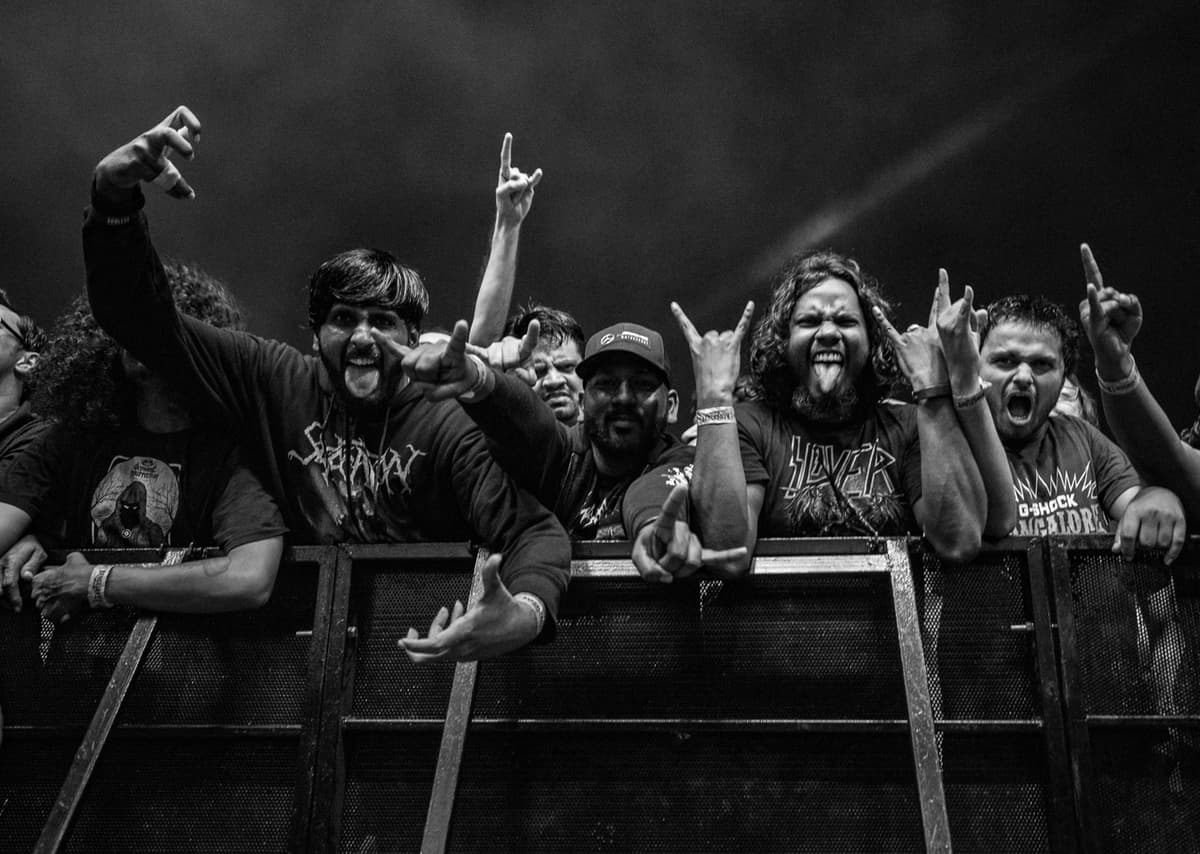
Building an audience was never instant. The band's following grew slowly through live performances, word of mouth and a steady stream of original releases. As more people discovered the music, support increased. Like any growing band, criticism and scepticism arrived as well. Neither changed the band's direction.
Looking back, the early years taught Disquietude Vengeance a lesson that still defines the band today. Progress rarely comes through dramatic moments. It comes from showing up every week, learning from mistakes and continuing to write music regardless of who is watching.
Growth Through Every Challenge
By 2023, Disquietude Vengeance had reached an important point in its journey. The band had already released original music, gained valuable experience through live performances and developed a clearer understanding of its own sound. The next step was obvious. It was time to create something much bigger than another single.
The original plan was surprisingly modest. The band approached producer Akash Singha with the intention of recording a four-song EP. After discussing the project, the conversations gradually shifted towards something far more ambitious. Instead of stopping at four tracks, the decision was made to produce a full-length album.
"We walked into the studio planning an EP. We walked out committed to making an album."
That decision changed everything. Recording a full album demanded more preparation, greater financial commitment and a level of discipline the band had never experienced before. Every performance, every arrangement and every recording session would now be held to a much higher standard.
Working alongside Akash Singha became an education in itself. The band quickly realised that recording music and producing an album were two completely different things. Precision mattered. Consistency mattered. Every note, every vocal take and every guitar performance had to earn its place in the final mix.
A Turning Point
Producer Akash Singha introduced the band to a more disciplined recording process. His attention to detail challenged every member to improve, helping Disquietude Vengeance move from independent demo-quality recordings towards a production that could compete on an international level.
The songs themselves also evolved inside the studio. Lyrics were refined, arrangements were rewritten and ideas that had existed for months were reshaped into stronger compositions. Instead of rushing to finish the project, the band chose to trust the process and accept criticism whenever it helped improve the final result.
The debut album eventually became Psycho Sadistic Existence, a record built around themes of psychological conflict, emotional instability and the darker sides of human nature. Although every song tells its own story, together they explore the same emotional landscape that inspired the band's name from the very beginning.
Completing the album was more than another achievement. It marked the moment when Disquietude Vengeance stopped thinking like a new local band and started working with a long-term vision. The experience changed not only the quality of the music, but also the standards the band continues to follow today.
Today and Beyond
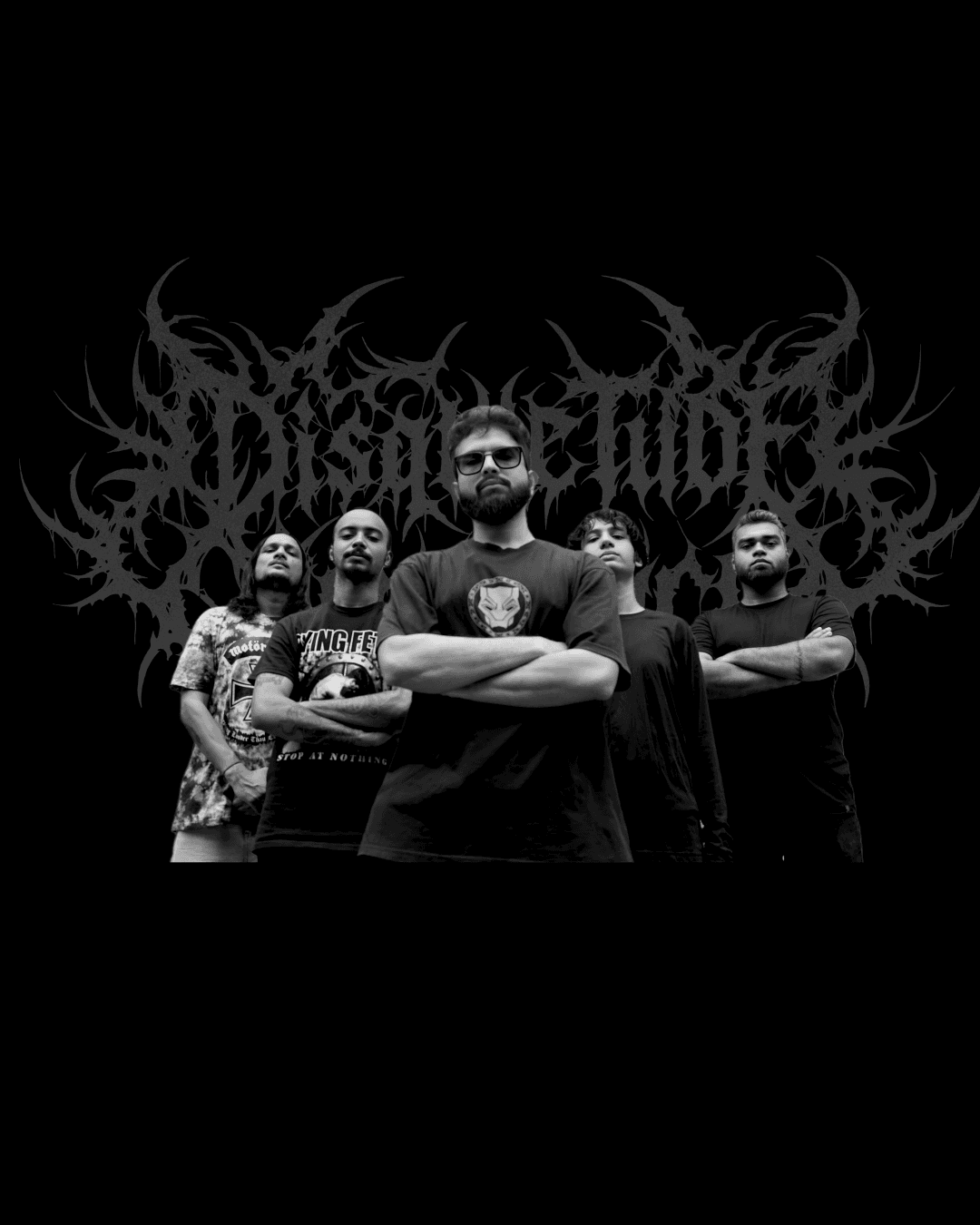
Every band changes over time, and Disquietude Vengeance is no exception. Since its formation, the lineup has evolved through different chapters, with musicians joining, contributing and eventually moving on. While those changes brought their own challenges, they also shaped the band into what it is today.
Some members arrived for a single chapter, while others became part of much larger milestones. Every musician left behind ideas, performances and memories that remain part of the band's journey. Rather than seeing lineup changes as setbacks, Disquietude Vengeance views them as part of the natural evolution of an independent band.
Today, the band continues with a lineup that shares the same commitment it was built upon years ago. Weekly rehearsals remain a constant, new material is always being developed and every member continues pushing towards a higher musical standard than the last release.
Current Lineup
Vocals: Ayon Banerjee
Guitar: Subhajit Dutta
Guitar: Amit Dutta
Bass: Anurag Chowdhury
Drums: Tommy
Releasing Psycho Sadistic Existence was never intended to be the final destination. It became the foundation for everything that followed. The band has since performed across India, crossed international borders during the Psychosis Tour with performances in Nepal, and continued reaching listeners beyond its home city of Kolkata. Every show has added another layer of experience, strengthening both the music and the confidence behind it.
Those experiences also reinforced something the band had believed from the beginning. Disquietude Vengeance has never chased trends or written music to fit into a specific formula. Every release begins with the same objective that existed during the Project X days: write honest music, challenge creative boundaries and continue evolving without losing the identity that defines the band.
"Every rehearsal is another opportunity to become a better band than we were last week."
Looking ahead, the focus remains firmly on the future. New material is already in development, with the next chapter expected to push the band's songwriting even further. Lessons learned from the debut album, live performances and touring continue to influence every new composition, while the ambition has grown beyond regional recognition towards representing Indian deathcore on a much larger stage.
Alongside the music, Disquietude Vengeance continues building a stronger creative identity through projects like Vengeance House, expanding beyond the stage while staying connected to the community that has supported the band from the beginning. Music remains at the centre of everything, but the vision has become much larger than simply releasing songs.
The story of Disquietude Vengeance is still being written. There are more songs to record, more stages to stand on and more borders waiting to be crossed. Every rehearsal, every release and every performance becomes another chapter in a journey that started with nothing more than an idea shared inside a rehearsal room in South Kolkata.
Looking Forward
Every milestone in the story of Disquietude Vengeance has led to the next challenge. From writing the first original songs to releasing Psycho Sadistic Existence and performing beyond India's borders, the band has never viewed any achievement as the finish line. Every release is another lesson, every performance is another opportunity to improve, and every rehearsal is another step towards becoming a stronger band.
New music is already taking shape. The songwriting continues to evolve, drawing from everything the band has learned over the years while staying true to the identity that has defined Disquietude Vengeance from the beginning. The goal is not simply to become heavier, but to become more honest, more refined and more expressive with every release.
"The journey has never been about chasing trends. It's about creating music that feels true to who we are."
Touring will continue to play an important role in the band's future. Performing in Nepal proved that the music could reach audiences beyond home, strengthening the belief that Indian deathcore deserves a place on international stages. The ambition is simple: keep writing, keep performing and continue representing the growing Indian extreme metal community wherever the opportunity leads.
Beyond the Music
The vision of Disquietude Vengeance extends beyond releasing songs. Projects like Vengeance House reflect the band's commitment to building a lasting identity, connecting music, art, merchandise and the wider community into something that continues to grow alongside the band itself.
Like every independent band, the road ahead will bring new challenges. Lineups may evolve, tours will become longer, expectations will grow and every new release will raise the standard once again. Those challenges are not obstacles to avoid. They are part of the journey that every serious band must embrace.
Looking back, it is remarkable how much has changed since the days of Project X. Yet the foundation remains exactly the same. A group of musicians still meets every week with the same purpose they had from the very beginning: to write original music, push creative boundaries and continue building something they genuinely believe in.
The story of Disquietude Vengeance is still unfolding. There are more songs to write, more stages to stand on and many more chapters waiting to be told. Wherever the road leads next, one thing remains certain. This journey is far from over.