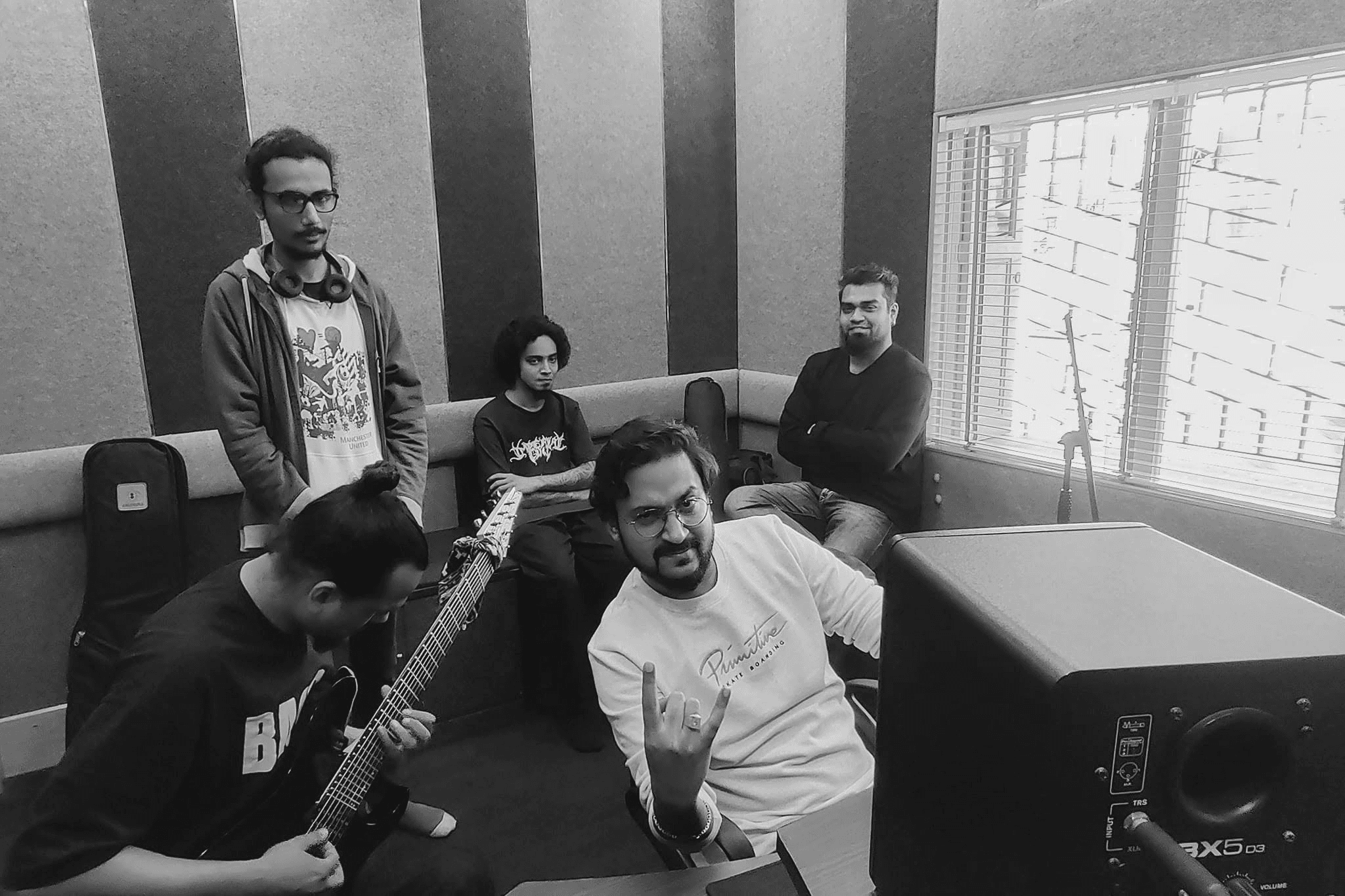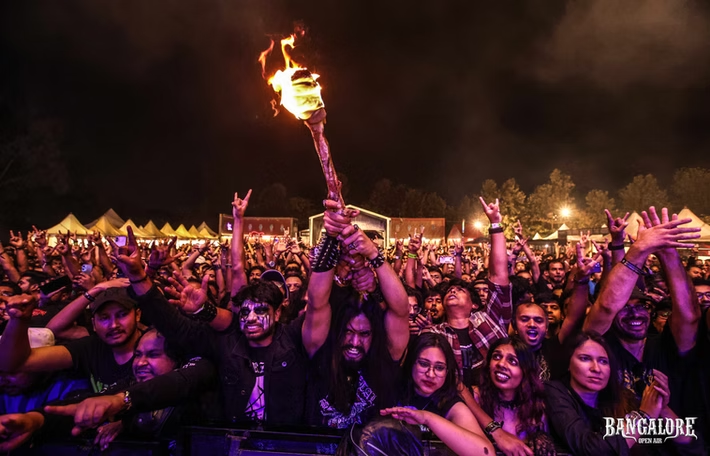
India's metal scene has never followed the conventional path. Unlike countries where heavy music enjoys mainstream recognition, Indian metal has always grown from the underground. Every city, every venue, every promoter, every musician, and every fan has played a role in building a community that survives not because it is easy, but because the people involved genuinely believe in it.
From packed local gigs to international festival appearances, the Indian metal scene has evolved dramatically over the last two decades. While challenges still exist, so do opportunities. Today's generation of musicians has access to better production, wider audiences, global streaming platforms, and international collaborations than ever before.
"Scenes don't grow because they're profitable. They grow because people refuse to let them disappear."
Built From the Underground
Heavy music in India was never handed a stage. Bands built their own. Before social media and streaming services became everyday tools, discovering underground music required dedication. CDs were exchanged between friends, internet forums introduced listeners to new bands, and local gigs became the heart of the community.
Every successful event represented months of work by musicians, promoters, photographers, designers, and volunteers. The scene wasn't supported by large record labels or commercial media—it survived because of people willing to invest their own time, money, and energy.
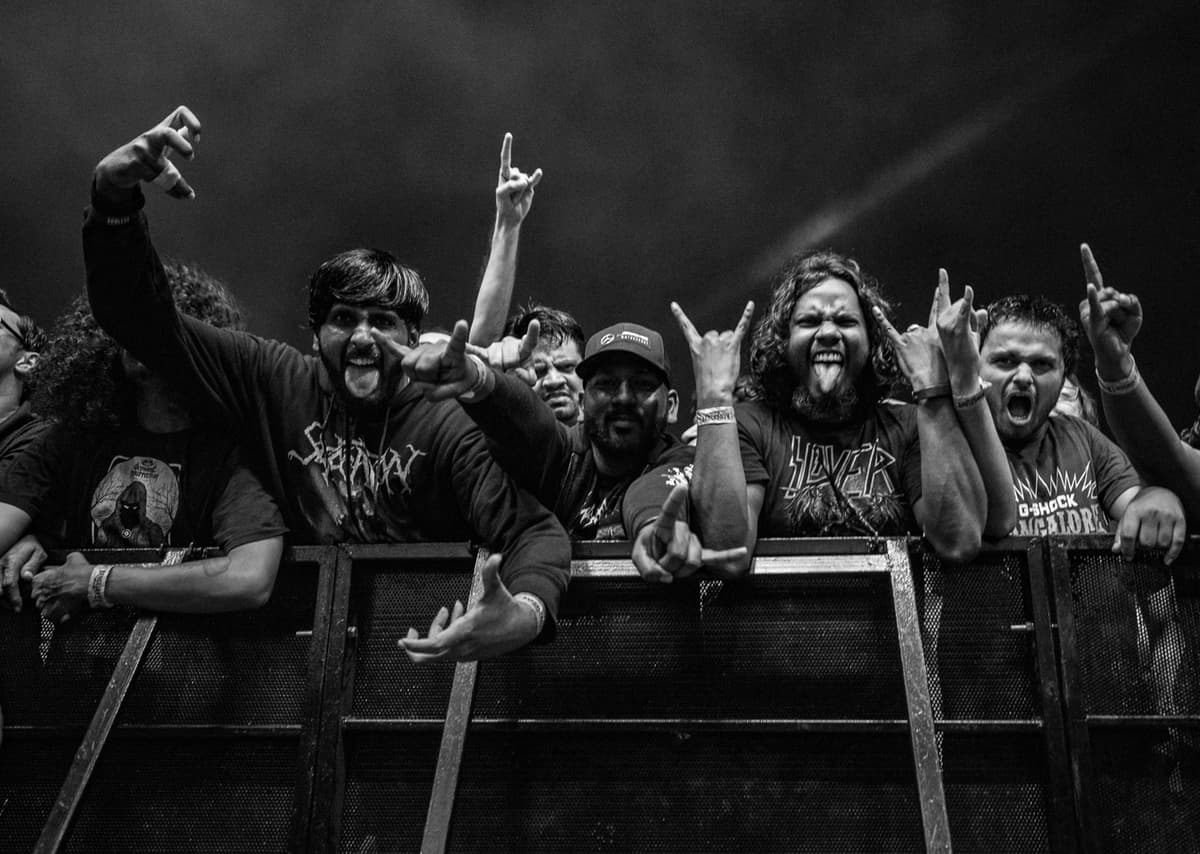
The Challenges We Still Face
Progress doesn't mean the obstacles have disappeared. Many bands continue to balance rehearsals with full-time jobs or studies. Touring remains expensive, professional venues are limited in many cities, and independent artists often finance recordings, merchandise, and travel from their own pockets.
- Limited touring opportunities across the country
- High production and recording costs
- Few dedicated venues for heavy music
- Difficulty reaching audiences outside major cities
- Financial pressure on independent bands
The Reality
Most Indian metal bands operate independently. They write, record, promote, design merchandise, organize tours, and manage social media without the support systems commonly found in larger music industries.
A New Generation of Artists
Despite these challenges, the quality of Indian heavy music has never been higher. Modern bands are releasing records that stand confidently beside international productions. Musicians are experimenting with progressive songwriting, technical arrangements, symphonic elements, and modern production while maintaining their own identities.
The internet has also changed how music travels. A band from Kolkata, Bengaluru, Mumbai, Delhi, or Guwahati can now reach listeners worldwide within minutes of releasing a new single. Geographic boundaries are no longer the limitation they once were.
More Than Music
Metal has always been more than distorted guitars and aggressive vocals. It is a community built on creativity, respect, and shared experiences. Every concert creates opportunities for friendships, collaborations, and conversations that extend far beyond the stage.
Artists, photographers, designers, videographers, sound engineers, promoters, and fans all contribute equally to the ecosystem. Remove any one of them, and the scene becomes weaker. Together, they create something far greater than any individual band could achieve alone.
Where Do We Go From Here?
The future of Indian metal won't be decided by a single band, festival, or record label. It will be shaped by the collective efforts of everyone involved. Supporting local shows, buying official merchandise, streaming independent releases, and sharing new music all have a direct impact on helping artists continue creating.
As more Indian bands perform internationally and global audiences discover the country's underground talent, the opportunities continue to grow. The next chapter of Indian metal is already being written by musicians who refuse to compromise their creativity and by fans who continue showing up, no matter how small the venue or how loud the music.
"The strength of a scene isn't measured by its size. It's measured by the people willing to build it together."